
The corporate entertainment industry moves in cycles. For most of the 2000s and 2010s, the formula was simple: book a DJ or cover band, set a playlist, hope people dance. The pandemic disrupted everything. And what's emerging on the other side is fundamentally different from what came before.
After producing entertainment for over 200 corporate events in the last 18 months, these are the seven trends that are reshaping the industry in 2026.
1. The Audience Is Now the Setlist
The single biggest shift in corporate entertainment is the transfer of control from the performer to the audience. Song request technology has matured from a novelty into an expectation.
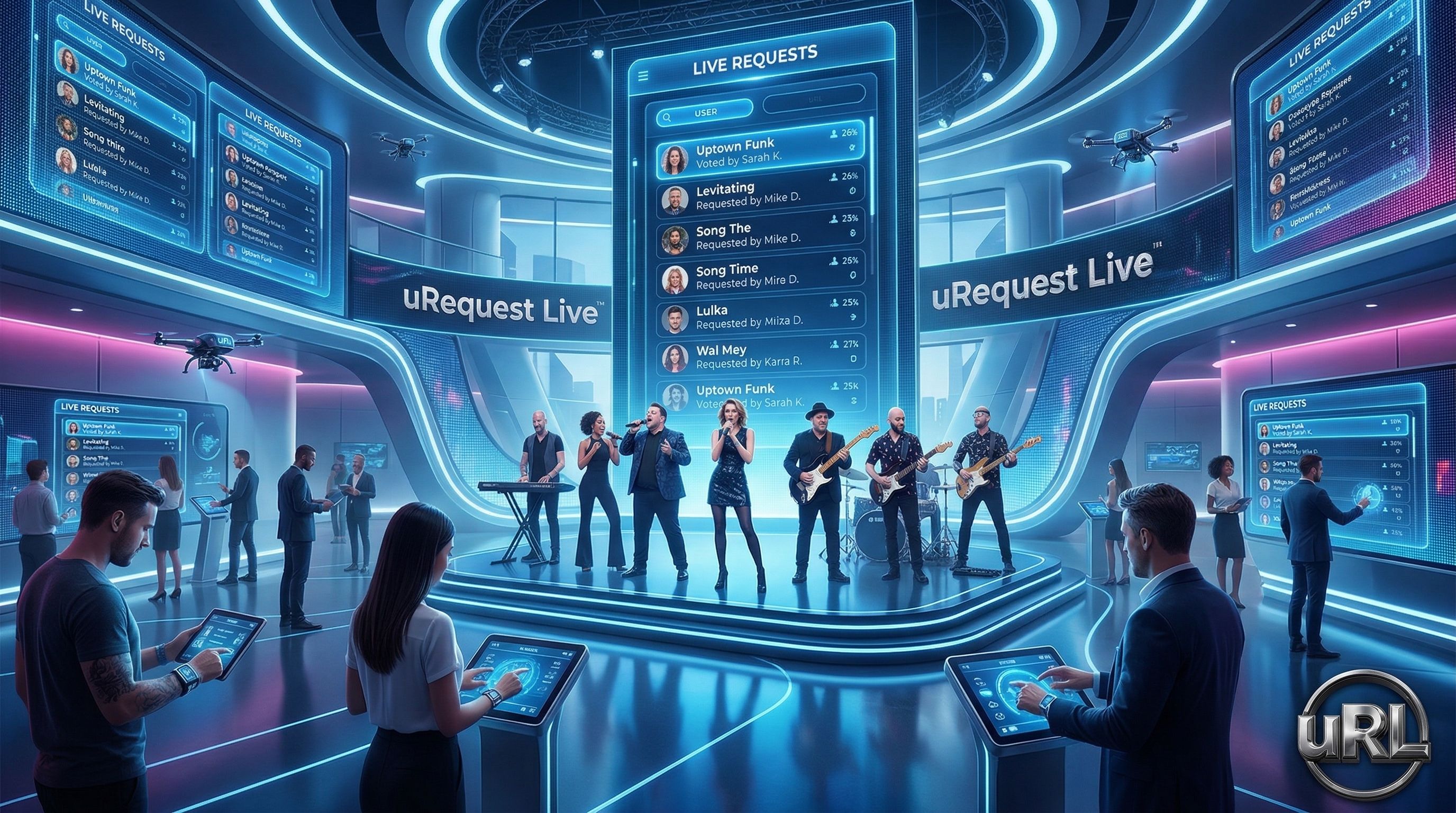
At events using platforms like uRequest Live, guests don't just listen — they curate. They request songs, upvote each other's requests, and watch the setlist evolve based on collective preference. The band becomes a responsive instrument of the crowd rather than a detached performer.
The data supports the shift: events with audience-driven setlists see 61% dance floor participation compared to 23% for pre-set playlists. That's not an incremental improvement. That's a category change.
2. Immersive Multi-Sensory Production
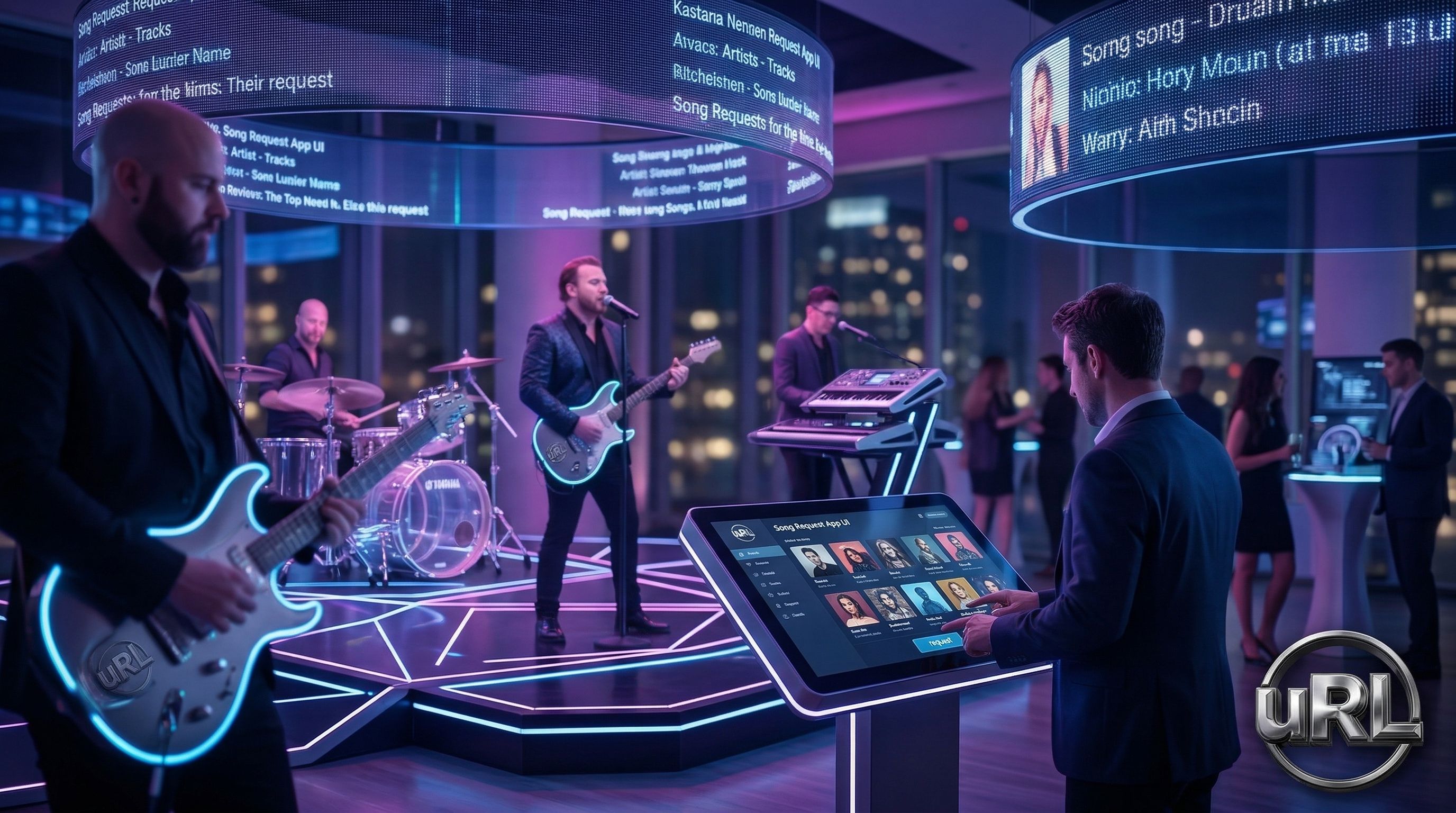
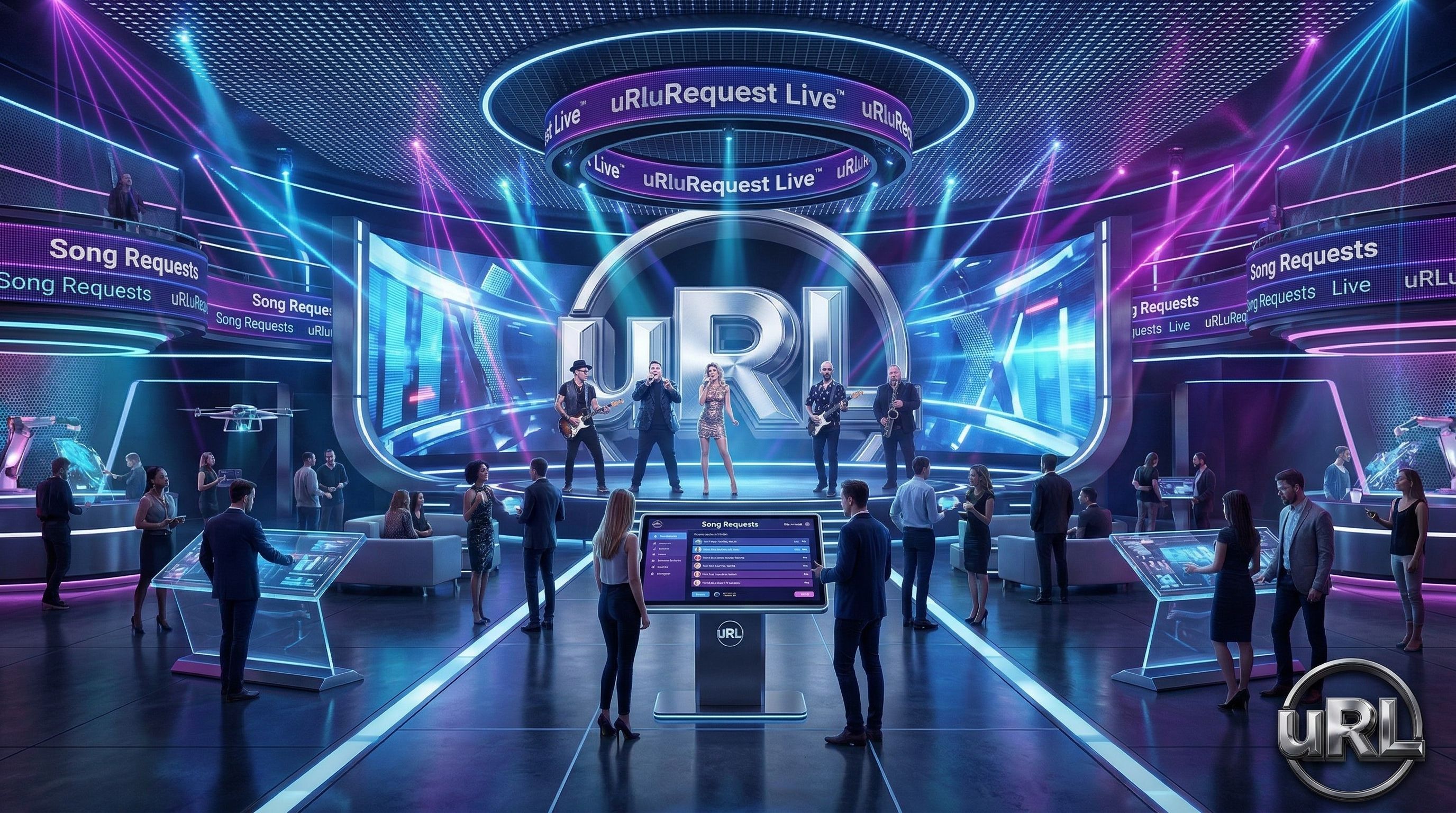
Corporate events are borrowing from the concert and festival playbook. LED walls synchronized to live music. Intelligent lighting that responds to tempo and energy levels. Fog machines, confetti canons, and CO2 jets that punctuate key moments.
This isn't about excess — it's about creating an environment that feels special. When employees walk into a corporate event and it looks and sounds like a VIP concert experience, the message is clear: this company invests in its people.
Toronto venues like the Rebel Entertainment Complex and the Globe and Mail Centre are seeing a 40% increase in production budgets for corporate events compared to 2024. Event planners are realizing that production quality directly correlates with attendee satisfaction.
3. AI-Assisted Song Curation
AI isn't replacing live musicians — but it's making them smarter. The latest generation of event entertainment technology uses demographic data, historical request patterns, and real-time engagement signals to help bands make better decisions.
Before an event, AI can analyze the guest list demographics and suggest an optimal opening set. During the event, it can rank incoming requests not just by vote count but by predicted dance floor impact. After the event, it generates analytics that help the band improve for next time.
The Human + AI Model: The best performances happen when AI handles the data and humans handle the energy. A musician reading a room can sense things an algorithm can't — but an algorithm can process 300 requests in real time in ways a musician can't. Together, they're unbeatable.
4. Hybrid Event Entertainment
Remote work hasn't gone away, and neither has the need to include distributed teams in company events. The entertainment industry has responded with hybrid-ready formats: live streams with interactive request features for remote attendees, synchronized playlist experiences, and virtual viewing parties that integrate with the in-person event.
The key learning from the last two years is that hybrid entertainment works best when remote attendees have their own interactive channel, not just a passive video feed. When remote team members can submit song requests alongside their in-person colleagues, the sense of inclusion is tangible.
5. Experience-First Booking
Event planners used to book based on name recognition. "Get us that band that played the conference last year." In 2026, the question has shifted to: "What experience do we want to create, and who can deliver it?"
This means entertainment providers who can articulate a clear experience narrative — not just a song list — are winning the bookings. It's less about "we play Top 40 hits" and more about "we create a two-hour journey from cocktail sophistication to dance floor euphoria, powered by your audience's preferences."
6. Micro-Events with Premium Entertainment
The mega-gala isn't dead, but it's being supplemented by smaller, more frequent, higher-quality events. Companies are discovering that four 75-person events with premium entertainment create more impact than one 300-person event with mediocre entertainment.
For entertainment providers, this means scalable formats: the same quality of performance and technology adapted for intimate venues. An acoustic trio with song request technology can create the same participatory energy at a 50-person dinner that a full band creates at a 500-person gala.
7. Sustainability-Conscious Production
Canadian companies are increasingly asking about the environmental impact of event production. LED lighting uses a fraction of the energy of traditional stage lighting. Digital setlist management eliminates paper. Locally sourced entertainment reduces travel emissions.
This isn't just optics. Event sustainability is becoming a boardroom-level concern for ESG-conscious organizations. Entertainment providers who can demonstrate sustainable practices without compromising quality have a growing competitive advantage.
What This Means for Your Next Event
The through-line connecting all seven trends is the same: corporate entertainment is evolving from passive consumption to active participation. The companies that recognize this shift — and invest accordingly — are creating events that their teams actually look forward to attending.
The old model of "book a band and hope for the best" is giving way to a data-informed, audience-responsive, experience-designed approach that treats entertainment as a strategic investment rather than a line-item expense.
The future belongs to event planners who ask better questions. Not "what band should we book?" but "what experience do we want 300 people to walk away remembering?"
Frequently Asked Questions
What are the top corporate entertainment trends for 2026?
The biggest trends are: audience-driven setlists, immersive multi-sensory production, AI-assisted curation, hybrid event entertainment, experience-first booking, micro-events with premium entertainment, and sustainability-conscious production.
Is the traditional corporate cover band dying?
The generic cover band model is declining. Bands that play a fixed setlist regardless of audience are losing market share to interactive performers. However, live music is stronger than ever — the shift is toward interactivity, not away from live performance.
How is AI affecting corporate event entertainment?
AI is being used for pre-event song curation, real-time request filtering and ranking, and post-event analytics. It's giving live performers better data to make smarter real-time decisions, not replacing them.
What should event planners budget for entertainment in 2026?
Most planners are allocating 20-30% of total event budget to entertainment and production, up from 15-20% in previous years. The shift reflects recognition that entertainment drives event satisfaction more than any other element.
Ready to Lead the Trend?
Your next event doesn't have to follow the old playbook. Let's design something that sets the standard.
Start the ConversationArthur Kerekes
Head of Client Experience at uRequest Live
Arthur has spent over a decade in live entertainment, working with corporate clients across North America to create unforgettable event experiences. He leads client strategy at uRequest Live, where data-driven song selection meets world-class live performance.
Related Articles
How Song Request Technology is Changing Live Music
The tech behind audience-driven entertainment.
Interactive Entertainment Ideas for Tech Company Events
How tech companies are leading the entertainment innovation curve.
How to Create a Festival-Style Corporate Event
Bringing festival energy to the corporate world.