
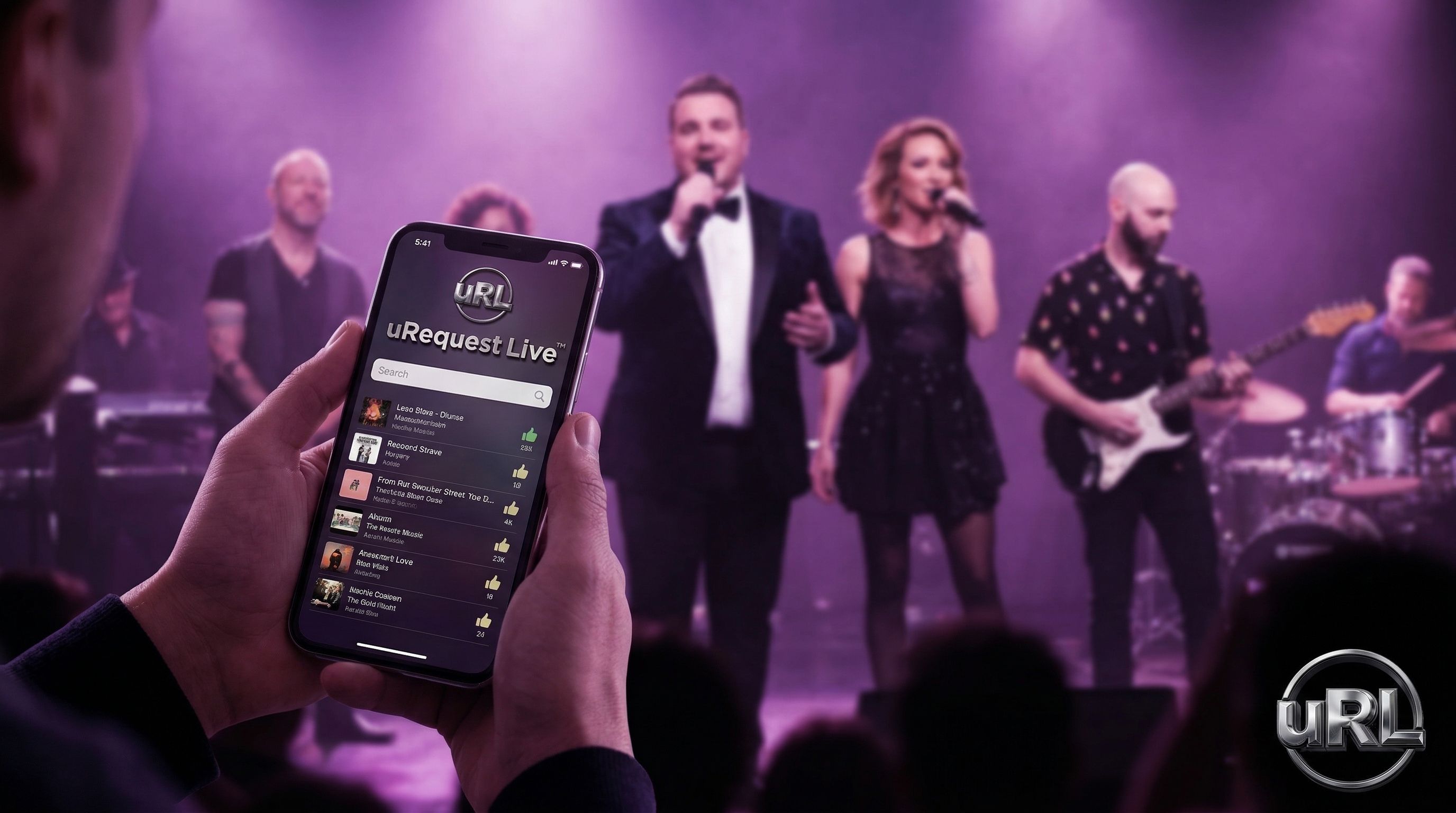
For as long as live music has existed, the setlist has been the performer's domain. The band decides what to play, when to play it, and how to sequence the night. The audience's role: sit back and enjoy.
That model worked for decades. Then smartphones happened.
When everyone in the room carries a connected device, the idea that 300 people should passively accept one person's musical choices starts to feel arbitrary. Song request technology was born from a simple question: what if the audience could shape the performance in real time?
How It Actually Works
The concept is deceptively simple. The execution is where it gets interesting.
At a uRequest Live event, every table has a QR code. Guests scan it with their phone camera — no app download, no login, no friction. They land on a web-based interface showing the band's full repertoire: hundreds of songs organized by genre, decade, artist, or mood.
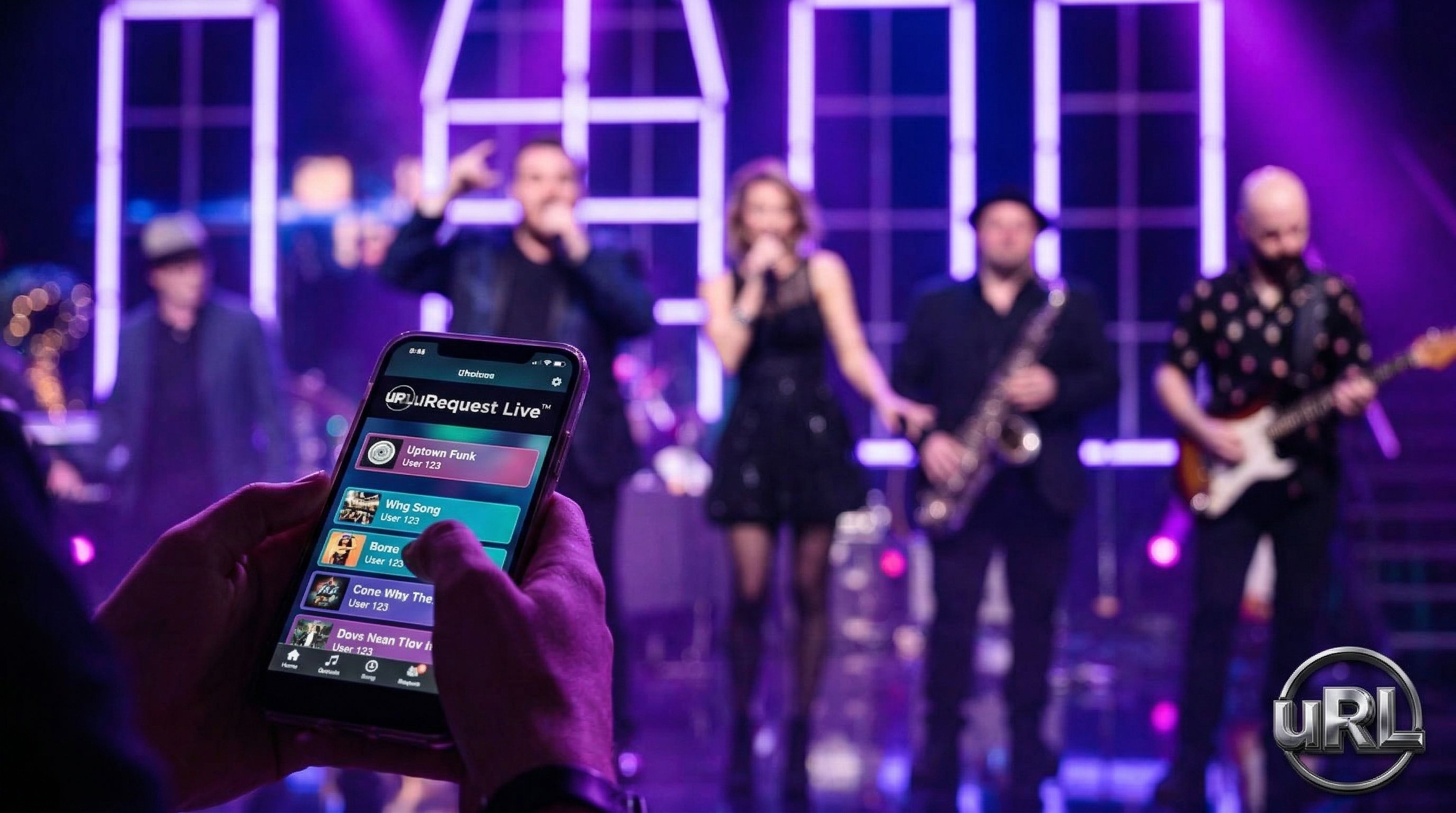
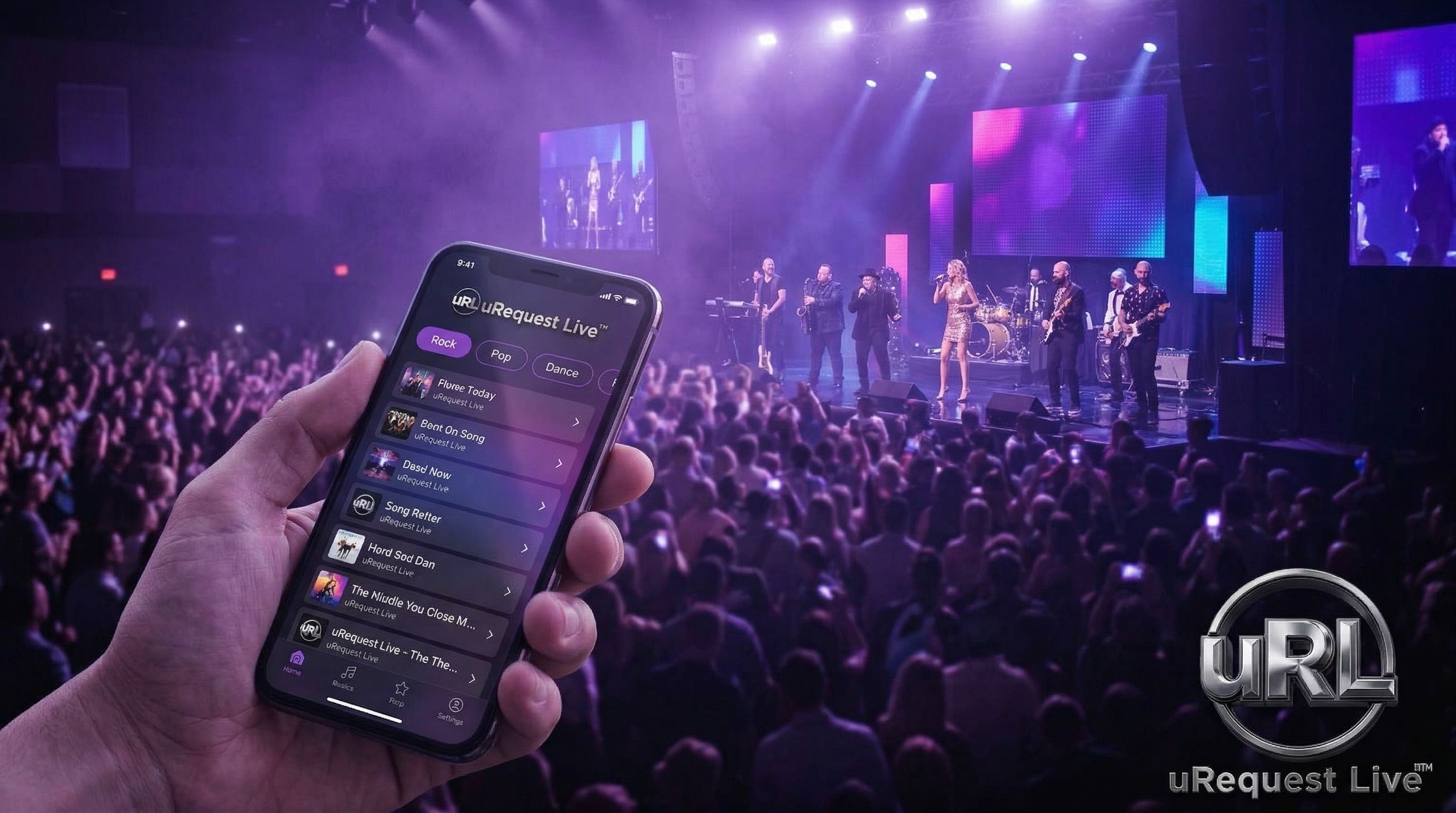
They tap a song to request it. They can upvote other guests' requests. The system aggregates everything in real time and presents the band with a ranked list on their stage display.
The band doesn't have to play the top-voted song next — they still control pacing, energy arcs, and transitions. But they always know what the room wants. And that knowledge transforms the performance from a predetermined show into a responsive conversation.
By the Numbers: At a typical 300-person corporate event, the uRequest Live platform receives 180-250 unique requests and 400-600 total votes over a 2-hour dance segment. That's real-time engagement data that no traditional band has ever had access to.
The Psychology Behind It
Song request technology works because it taps into three fundamental human needs.
Agency
People want to feel like they have a voice. In a corporate setting — where hierarchy and protocol govern most interactions — giving someone control over the music is a small but powerful act of empowerment. "I requested that song, and they played it" creates a moment of personal significance.
Social Connection
The voting feature turns song selection into a social activity. Colleagues rally around requests, debate which song should be next, and celebrate when their pick gets played. It creates micro-interactions that wouldn't happen otherwise — the kind of organic bonding that corporate events are supposed to facilitate.
Anticipation
Once you've submitted a request, you're invested. You're watching the queue, tracking your song's position, waiting for the moment the band launches into it. That anticipation keeps guests engaged — phones in hand, yes, but engaged with the event rather than checking email or scrolling Instagram.
The Content Moderation Challenge
The obvious question event planners ask: "What happens when someone requests something inappropriate?"
It's a valid concern, especially at corporate events where brand image matters. The answer is multi-layered content filtering.
First, the repertoire itself is curated. The band only lists songs they can actually perform and that are appropriate for corporate settings. This eliminates the majority of problematic requests at the source.
Second, the platform includes automated filters that flag explicit content, songs with potentially offensive themes, and custom blocklists set by the event planner before the event.
Third, the band has final approval on everything. The technology surfaces audience preferences — it doesn't override professional judgment. If a request doesn't fit the moment, the band skips it.
What the Data Tells Us
After processing over 50,000 song requests across hundreds of corporate events, patterns emerge that challenge conventional wisdom about corporate music.
Decade distribution: The most-requested era isn't the current Top 40. It's the 2000s-2010s, followed closely by 80s and 90s. Current hits account for about 22% of requests. This suggests that corporate audiences want nostalgia more than novelty.
Genre surprises: Hip-hop and R&B are the #1 and #2 requested genres at corporate events — ahead of pop and rock. This surprises many planners who default to "safe" classic rock playlists.
Request timing: The peak request window is 20-40 minutes into the dance segment. Early on, guests are warming up. Once they're engaged, requests surge. Smart bands use this data to time their highest-energy songs with the peak request window.
The "dark horse" effect: About 15% of the time, a song that wouldn't appear on any standard corporate playlist rockets to the top through viral voting — a deep cut that resonates with that specific audience. These moments are impossible to predict and impossible to create with a pre-set playlist. They're the magic of real-time audience data.
Where This Goes Next
Song request technology is still in its early chapters. The next generation of platforms will incorporate predictive analytics (suggesting songs the audience is likely to love based on their request patterns), real-time sentiment analysis (adjusting energy levels based on crowd response), and post-event reporting that gives planners actionable insights for future events.
The fundamental shift is already irreversible. Once audiences experience the power of shaping their own entertainment in real time, there's no going back to passive consumption. Every event planner who's seen a dance floor come alive through audience-driven requests understands: this isn't a trend. It's the new standard.
Frequently Asked Questions
What is song request technology?
A real-time platform allowing event attendees to browse a band's repertoire, submit song requests, and vote on requests using their smartphones. The band sees a live dashboard showing what the audience wants to hear.
How does uRequest Live's platform work?
Guests scan a QR code — no app download required. They browse the band's repertoire, submit requests, and upvote others' requests. The band's stage display shows real-time rankings with built-in content filters.
Can you filter inappropriate song requests?
Yes. The platform includes automated content moderation, custom blocklists set by event planners, and the band always has final approval on everything that gets played.
Does song request technology work for formal events?
Absolutely. The technology is invisible during formal segments and activates visibly during dance portions. It adapts to the formality level of each event phase.
See the Platform in Action
Experience how real-time song requests transform live entertainment. Book a demo or consultation.
Book a DemoArthur Kerekes
Head of Client Experience at uRequest Live
Arthur has spent over a decade in live entertainment, working with corporate clients across North America to create unforgettable event experiences. He leads client strategy at uRequest Live, where data-driven song selection meets world-class live performance.
Related Articles
Corporate Entertainment Trends Reshaping Events in 2026
The bigger picture of what's changing in corporate entertainment.
Why Interactive Entertainment Outperforms Traditional Bands
The data comparison between interactive and traditional formats.
Top 10 Songs for Corporate Events in 2026
What our request data reveals about corporate music preferences.