
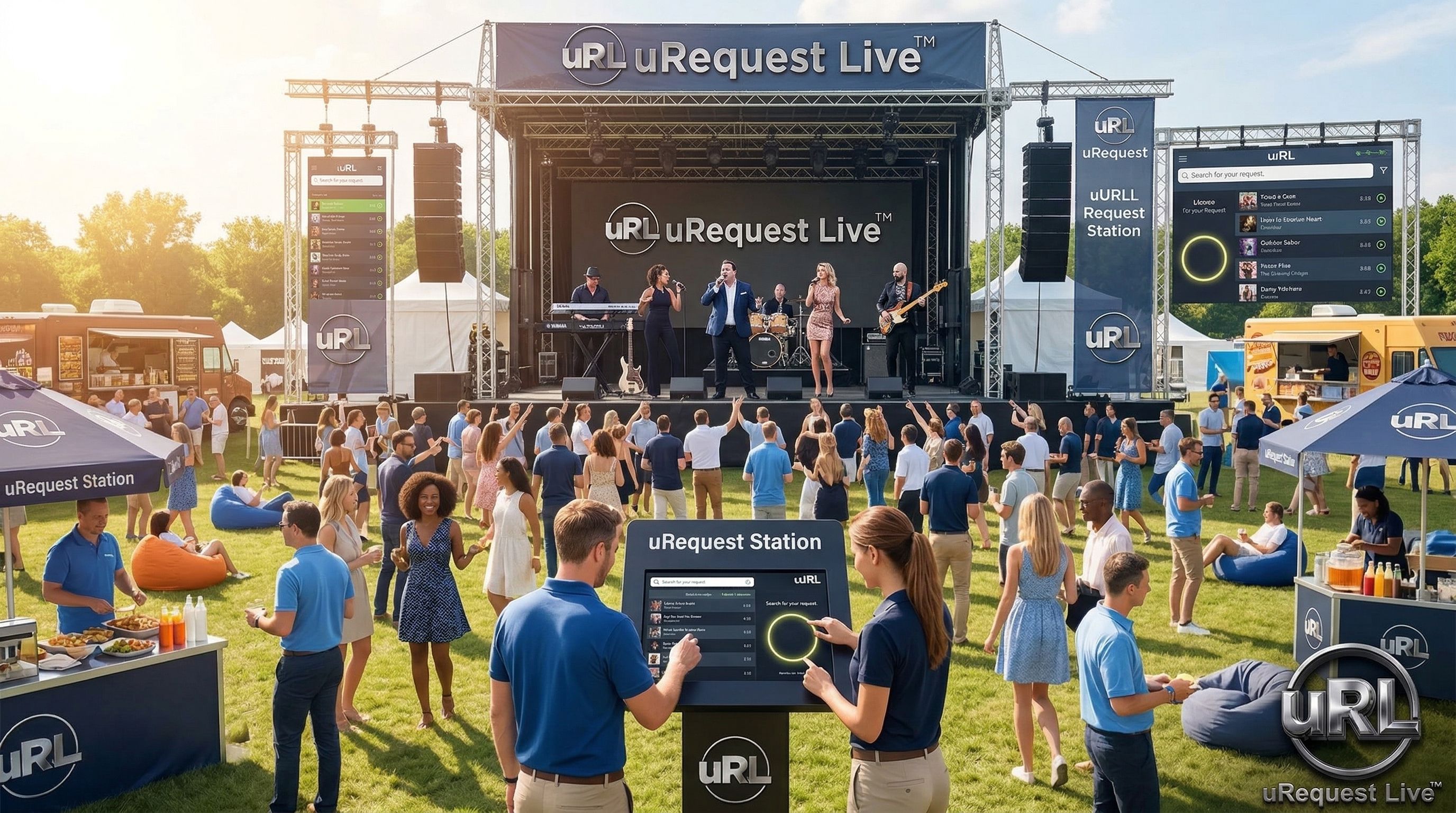
The corporate event format hasn't changed meaningfully in 40 years. Cocktail hour. Seated dinner. Speeches. Dancing. In that order. In a ballroom. With round tables.
Festival-style corporate events throw that playbook away. They borrow the energy, the production values, and the experiential philosophy of music festivals and apply them to corporate gatherings. The result: events that feel less like obligations and more like concerts your company happens to be throwing.
Major Canadian companies — Shopify, Lululemon, CIBC — have all experimented with the format in the last two years. Here's how to do it right.
The Core Principles
Multiple Entertainment Zones
Festivals work because they offer choice. Instead of one entertainment option that everyone must passively experience, create 2-4 zones with different vibes. A main stage with the interactive band. An acoustic lounge for conversation. A live karaoke corner. A DJ area with a different energy.
Guests self-select their experience. The extroverts hit the main stage dance floor. The networking crowd gravitates to the acoustic lounge. The karaoke enthusiasts camp near the vocal stage. Everyone is engaged — just in different ways.
Standing Over Seated
Replace round tables with a mix of standing cocktail tables, lounge seating areas, and open floor space. When people are free to move, they mingle more naturally. The rigidity of assigned seating gives way to organic social interaction — exactly what corporate events are supposed to facilitate.
Festival-Grade Production
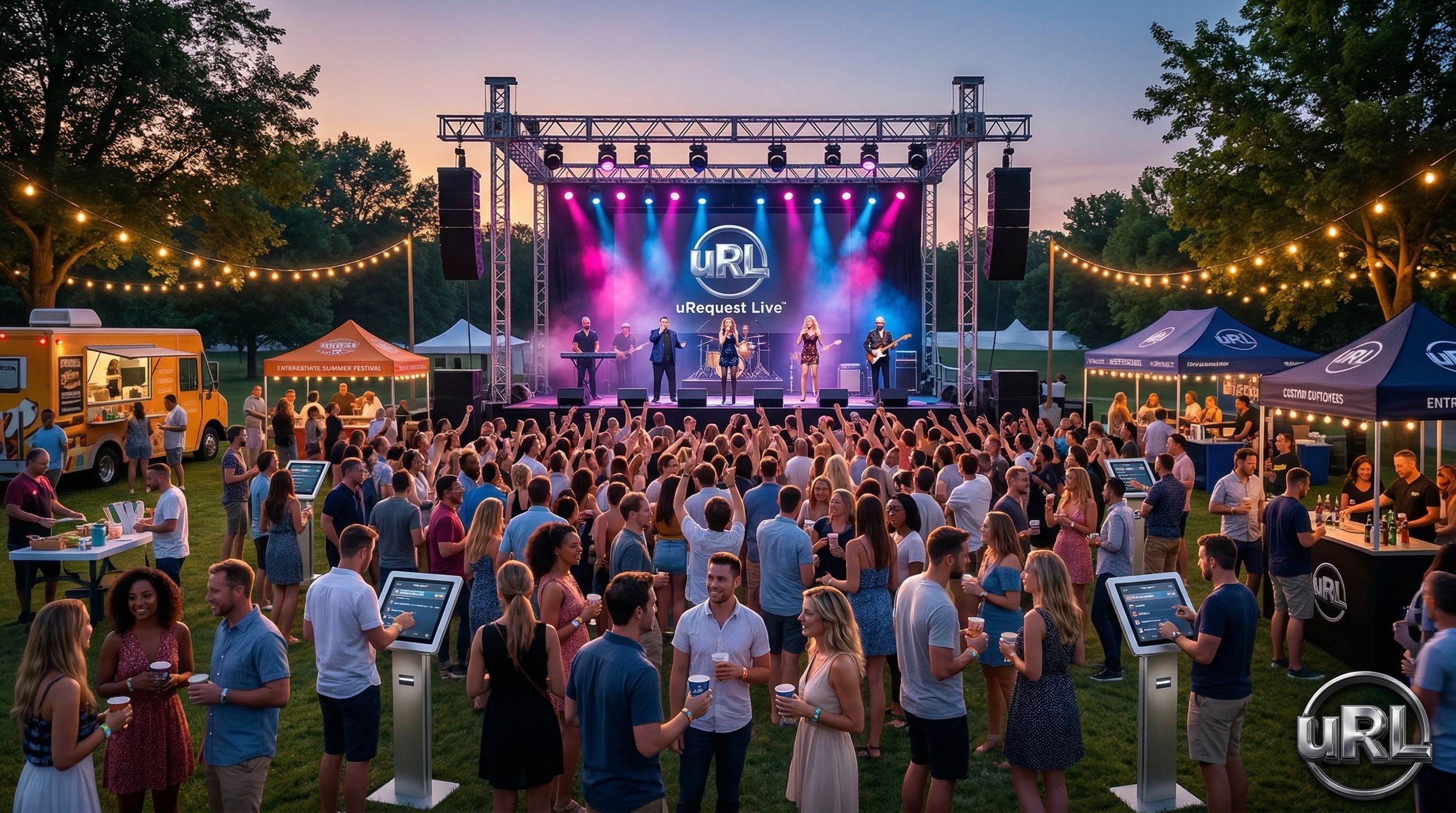
The production is what makes it feel different from a standard corporate event. Intelligent lighting that moves with the music. LED screens with dynamic visuals. Professional-grade sound that fills the space without overwhelming it. Fog and haze for atmosphere. These aren't luxuries — they're what separate "company party" from "company festival."
Budget Reality: Festival-style events cost 30-50% more than traditional galas of the same size. But attendee satisfaction scores average 9.1/10 compared to 7.2/10 for traditional formats. The math favors the investment.
The Entertainment Lineup
Think of your entertainment the way a festival organizer thinks of their lineup card:
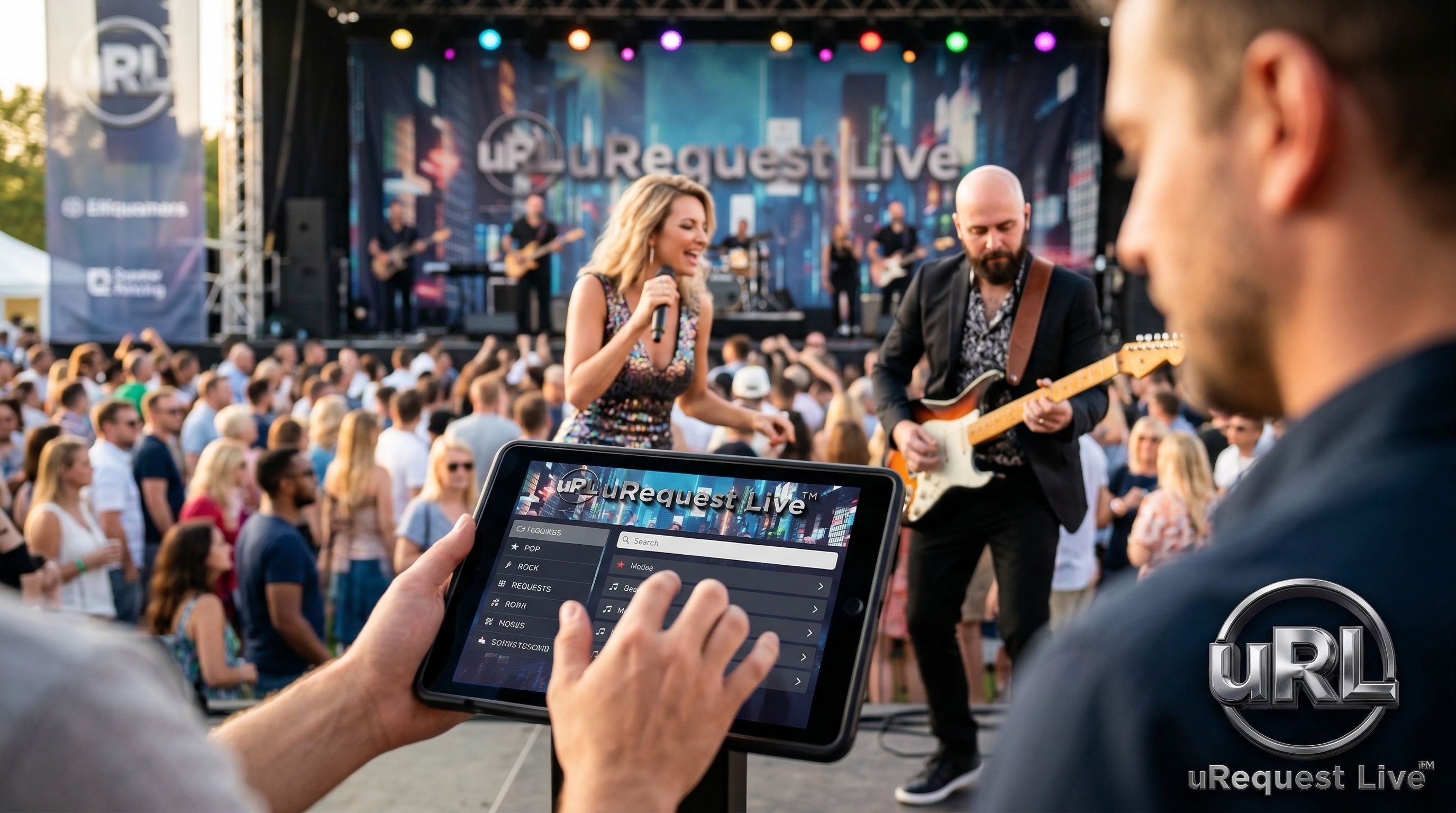
Headliner (Main Stage): Your interactive band with full production and song request technology. This is where the biggest crowd will gather and where the peak energy moments happen.
Supporting Acts: Acoustic duo for the lounge zone. DJ set for an alternative dance area. Roaming performers who bring energy to quieter corners of the venue.
Interactive Experiences: Live band karaoke stage, song request battle zones, photo booth experiences tied to the festival theme.
The key is scheduling these overlapping, not sequential. At any given moment, guests should have 2-3 entertainment options available. This creates the "festival feel" of discovery and choice.
Venue Selection
Festival-style events need more space than traditional formats. Outdoor venues (rooftops, patios, parks with event permits) work beautifully in Toronto's summer months. For year-round options, look at:
Warehouse spaces: The Distillery District, Evergreen Brick Works, and similar venues offer raw industrial aesthetics that serve as a blank canvas for festival production.
Large event halls: Convention centers and expo halls provide the square footage needed for multiple zones without weather risk.
Non-traditional venues: Breweries, art galleries, and rooftop spaces add character that supports the festival vibe. Just confirm the venue can handle your sound and power requirements before committing.
Food and Beverage: Think Stations, Not Plated
Replace the three-course plated dinner with food stations, food trucks, or a curated market-style setup. This serves the festival format in two ways: it eliminates the rigidity of seated dining, and it creates movement and discovery throughout the space.
Pro tip: position food stations strategically to create natural foot traffic past entertainment zones. The path from the taco station to the cocktail bar should route past the karaoke stage. Intentional flow design keeps all zones activated.
Common Mistakes to Avoid
Going too casual. Festival-style doesn't mean unplanned. The production quality needs to be higher, not lower, than a traditional event. Guests should feel like they're at a VIP festival experience, not a backyard party.
Neglecting sound isolation. Multiple zones with different music require sound management. Use directional speakers, physical barriers, and distance to prevent audio bleed between zones.
Underestimating power requirements. Festival production draws significantly more power than a standard event. Work with your venue to confirm electrical capacity early in the planning process.
Forgetting the corporate element. This is still a corporate event. Include brief moments for company messaging — a short welcome from leadership, an awards segment — but keep them concise and high-energy. No 45-minute PowerPoint presentations at a festival.
The festival-style format isn't right for every company or every occasion. But for organizations that want to make a statement about their culture — that they're innovative, that they invest in their people, that they know how to have a good time — it's one of the most powerful formats available.
Frequently Asked Questions
What is a festival-style corporate event?
It borrows from music festivals: multiple entertainment zones, immersive production, food stations instead of plated dinners, and emphasis on experiential engagement. Less ballroom, more Coachella — but still professionally executed.
How much does a festival-style corporate event cost?
Budget 30-50% more than a traditional gala. For 300 guests, expect $80,000-$150,000 total, with entertainment and production at 35-45% of the budget.
Can you do a festival-style event indoors?
Absolutely. The festival feel comes from production design — lighting, staging, spatial design — not the venue type. Large indoor spaces like warehouses and convention centers work brilliantly.
What entertainment formats work best for festival-style events?
Interactive band as headliner, plus acoustic performers, DJ zones, live karaoke areas, and silent disco. Multiple overlapping entertainment touchpoints so guests can curate their own experience.
Go Big. Go Festival.
We'll help you design a multi-zone entertainment experience your team will remember for years.
Plan Your Festival EventArthur Kerekes
Head of Client Experience at uRequest Live
Arthur has spent over a decade in live entertainment, working with corporate clients across North America to create unforgettable event experiences. He leads client strategy at uRequest Live, where data-driven song selection meets world-class live performance.
Related Articles
Interactive Entertainment Ideas for Tech Company Events
Entertainment formats that resonate with tech audiences.
Corporate Entertainment Trends Reshaping Events in 2026
The broader industry trends driving event innovation.
How to Plan Music for a 500-Person Corporate Gala
Large-scale event production fundamentals.