
Event Entertainment Ideas for Small Company Budgets
Practical, creative entertainment solutions for companies that want memorable events without enterprise-level budgets. From acoustic sets to hybrid DJ-band formats.
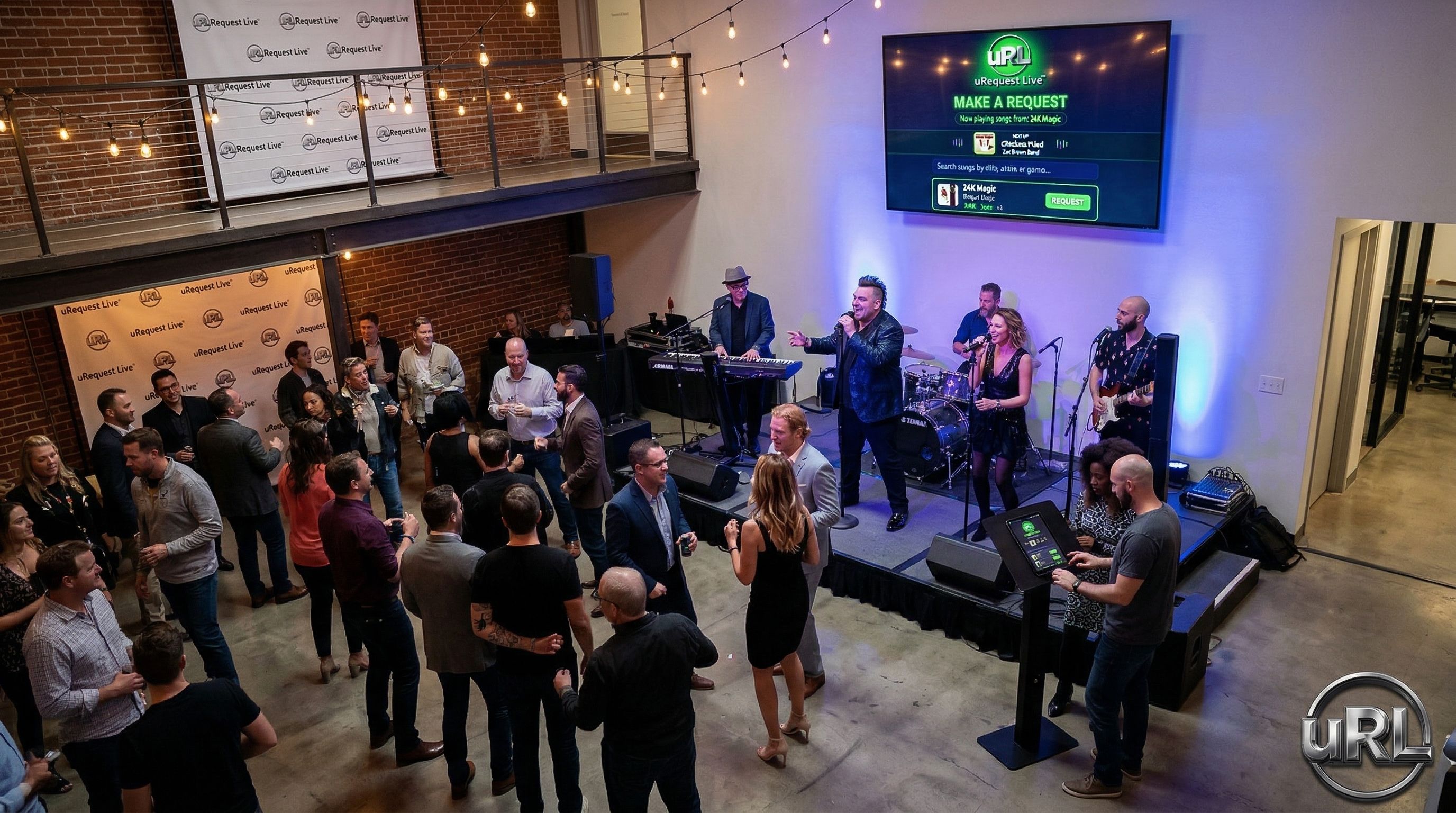
Let's get the uncomfortable part out of the way: yes, great entertainment costs money. But great entertainment and expensive entertainment are not the same thing. Some of the most memorable corporate events we've been part of had budgets that would make Fortune 500 planners raise an eyebrow — not because the budgets were large, but because the results were.
If your company has 30-100 employees and a budget that doesn't stretch to a ten-piece band with a horn section, this guide is for you. These are real, tested strategies for creating memorable entertainment experiences without the enterprise price tag.
Rethinking the Entertainment Budget
Most small companies make the same mistake: they allocate their event budget almost entirely to food and venue, then scramble to find entertainment with whatever's left. The typical split looks something like 60% venue/catering, 10% decor, 10% A/V, and 20% entertainment.
Here's the counterintuitive truth: your guests will forget what they ate within a week. They'll remember how the event made them feel for months. A slight rebalance — even shifting 5-10% from catering to entertainment — can dramatically change the lasting impact of your event.
The Real Cost of "Free" Entertainment
Some companies try to eliminate entertainment costs entirely by having someone connect a Spotify playlist to a Bluetooth speaker. This works for a casual office lunch. For an event you're asking people to attend on a Friday night, it sends a message — and not the one you intend.
The absence of intentional entertainment communicates: "We didn't think this event was worth investing in." Your employees will pick up on that, consciously or not. Even a modest entertainment investment signals that the company values the experience.
Budget-Friendly Entertainment Options That Actually Work
1. Acoustic Duo or Trio ($1,500 - $2,500)
A talented acoustic duo can fill a room with energy without requiring a massive stage setup, extensive sound equipment, or a large performance space. Two musicians with guitars, a cajon, and good vocals can cover everything from Ed Sheeran to The Eagles to Beyonce.
The advantages for small events are significant:
- Minimal space requirements — they can set up in a corner
- Lower volume allows for conversation during dinner
- Easier sound management in smaller venues
- The intimate feel matches the scale of your event
Pair an acoustic act with song request technology and you get the interactivity of a full production at a fraction of the cost.
2. DJ + Live Musician Hybrid ($2,000 - $3,500)
One of the most underrated entertainment formats for budget-conscious events is the DJ-plus-one model. A skilled DJ paired with a live saxophone player, percussionist, or vocalist creates an experience that feels significantly more premium than a DJ alone.
The DJ handles the breadth of the music catalog while the live musician adds the energy and visual presence that elevates the whole experience. For events of 50-100 people, this format often hits the sweet spot of impact versus investment.
3. Interactive Band (Smaller Configuration) ($3,000 - $5,000)
Many bands offer flexible configurations. Instead of a seven-piece ensemble, consider a four-piece with song request technology. Guitar, bass, drums, and a dynamic vocalist — combined with crowd-driven song selection — can create an experience that punches well above its weight class.
The technology component matters here. A four-piece band playing a setlist is decent entertainment. A four-piece band playing songs your employees chose in real-time is a completely different experience. The interactivity compensates for what the smaller lineup lacks in raw sonic power.
4. Themed Music Night ($1,000 - $2,500)
Decade nights, genre nights, or music trivia events combine entertainment with team building. A "Battle of the Decades" format where departments represent different eras creates friendly competition without requiring a massive entertainment budget.
Add a trivia component with music-related questions, a small prize for the winning team, and a curated playlist, and you've created an engaging three-hour experience that costs less than most single-performer bookings.
Maximizing Impact on a Limited Budget
Venue Selection Is an Entertainment Decision
The venue does half the work. A rooftop patio with city views, a brewery with character, or an art gallery with built-in ambiance all reduce the amount of "experience creation" your entertainment needs to carry. A great venue with modest entertainment beats a bland ballroom with a great band.
Timing Matters More Than Duration
You don't need four hours of live entertainment. Two focused hours during the peak of the evening — after dinner, before people start leaving — delivers 90% of the impact at 50% of the cost. Budget for the moments that matter, not for background music during the first hour when people are still finding their seats.
Technology as a Force Multiplier
Interactive technology amplifies whatever entertainment you choose. A song request system turns a solo performer into an interactive experience. Digital photo activations create shareable moments. Even simple tech like a curated event playlist with a live voting component can transform passive listening into active engagement.
Budget allocation guide for a 75-person event ($15,000 total):
- Venue & catering: $8,000 (53%)
- Entertainment (acoustic duo + song request tech): $2,500 (17%)
- Decor & ambiance: $1,500 (10%)
- A/V & lighting: $1,500 (10%)
- Contingency: $1,500 (10%)
What to Avoid
Budget constraints shouldn't mean settling for entertainment that actively hurts your event. Here are the common traps:
- The cousin's band — Unless your employee's cousin happens to be a professional musician, this usually ends badly. Professional entertainment is professional for a reason.
- Karaoke without context — Karaoke works great as a planned activity with a host. Karaoke as a substitute for entertainment (just set up the machine and hope for the best) often results in three brave souls singing while everyone else cringes.
- Overloading on "activities" — Photo booths, lawn games, balloon artists, and a magician all at once dilutes the experience. Pick one or two things and do them well.
- Cutting the sound system — Even the best performers sound terrible through cheap speakers. If you're investing in any live entertainment, budget for adequate sound. Many performers bring their own PA, but confirm this upfront.
The Scaling Mindset
Here's the long-term perspective: your company events should scale with your company. Start with what you can do well now, and build traditions that grow. The startup that does a killer acoustic night for 40 people creates a foundation. Next year, when headcount is 65, maybe you upgrade to a trio. The year after, a full band.
Employees who were there in the early days will remember the progression. That continuity builds culture in a way that one-off spectacles never do.
Find the Right Entertainment for Your Budget
We offer flexible packages for companies of all sizes. Let's find your perfect fit.
Get a Custom QuoteFrequently Asked Questions
How much should a small company budget for event entertainment?
A reasonable entertainment budget for a small company event (50-100 guests) ranges from $1,500 to $5,000, depending on the type of entertainment. Acoustic duos and solo performers typically start around $1,500, while interactive band experiences with technology start around $3,500.
What is the most cost-effective entertainment for a 50-person corporate event?
An acoustic duo or trio with a song request system offers the best value for smaller events. You get the engagement benefits of live music and interactivity at roughly 40-50% of the cost of a full band, while still creating a memorable, participatory experience.
Can small companies afford interactive entertainment technology?
Yes. Many interactive entertainment providers offer scalable packages. Song request technology, for instance, costs the same whether you have 50 or 500 guests since it runs on guests' existing smartphones. The technology cost is typically bundled into the entertainment package.
Is a DJ or live band better for a small company event?
For smaller gatherings (under 75 people), a DJ with interactive elements or an acoustic act can be more appropriate than a full band. The key factor isn't size — it's engagement. A great DJ with crowd interaction will outperform a mediocre band every time.