
How to Brief a Band for Your Corporate Event
The difference between good and great corporate entertainment often comes down to the brief. Here's exactly what to share with your band to ensure they nail your event.
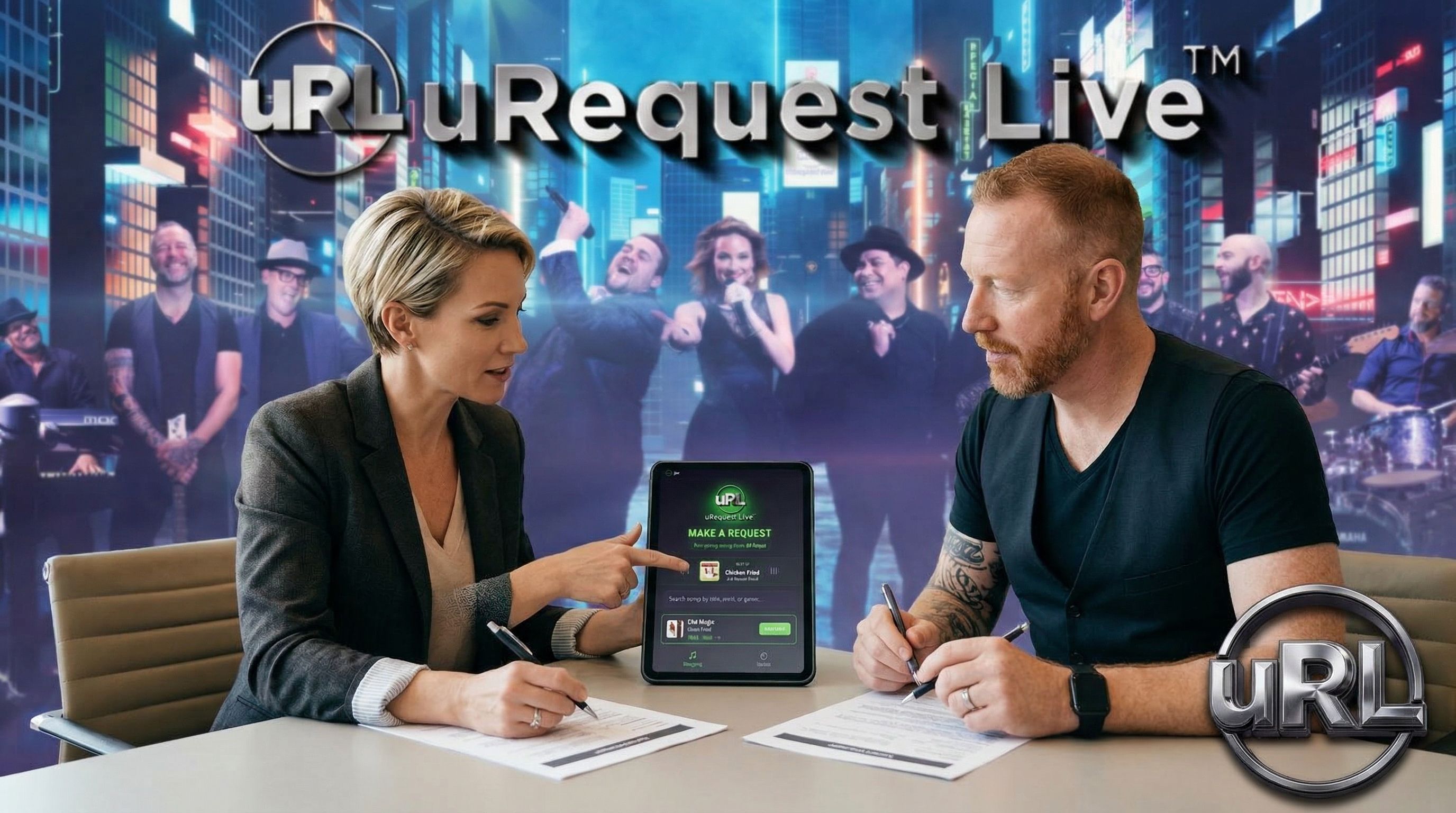
You've booked a great band. They've got hundreds of five-star reviews, a demo reel that gave you chills, and they came highly recommended by three other event planners. The hard part is done, right?
Not quite. The gap between a good performance and a performance that feels custom-designed for your specific event lives in the brief. The information you share with your band before the event is the difference between "they played well" and "they absolutely nailed it."
The Essential Band Brief Template
Here's every piece of information your band needs, organized by priority. You don't need to write a novel — a clear, structured email covers it.
1. Company Culture and Audience Profile
This is the most important context you can provide and the one most planners skip. Tell the band:
- What industry is your company in?
- What's the general age range and demographic of attendees?
- Is this a conservative, buttoned-up crowd or a let-loose-and-party group?
- Are there senior executives who need to be considered?
- Will there be clients, partners, or external guests?
- What's the ratio of employees to significant others/dates?
A band that knows they're playing for a tech startup's 150 young employees will prepare very differently than one playing for a law firm's partners and clients. Both can be great events, but the energy, song selection, and approach should be different.
2. Event Timeline and Key Moments
Share your event run sheet with exact times:
- When does the band start and end?
- Are there breaks? How long?
- Are there speeches, awards, or announcements during the band's set?
- Is there a specific moment the band needs to support (first dance, reveal, toast)?
- What happens before and after the band's performance?
3. Music Preferences
Be as specific as you're comfortable being:
- Must-plays — Songs that absolutely must be included (CEO's request, company anthem, etc.)
- Do-not-plays — Songs, genres, or artists to avoid
- General direction — "Lean toward upbeat dance music from the 80s through today" or "Keep it classy — jazz and soul"
- Energy arc — "Start mellow during dinner, build through cocktails, peak energy for the dance party"
If you're using song request technology, the brief is about establishing guardrails rather than dictating a setlist. Tell the band what the boundaries are and let the crowd fill in the middle.
4. Practical Details
Logistics checklist to include in your brief:
- Venue name, address, and parking/load-in instructions
- Soundcheck time and any venue restrictions
- Volume expectations (can they rock out, or is conversation volume expected?)
- Stage size and location
- Dress code for the band
- Meals provided? Where does the band eat?
- Point of contact on the day of the event
- Electrical availability and any venue technical restrictions
5. Sensitivities and Context
This section prevents problems:
- Recent layoffs? Avoid songs about money or losing jobs.
- Recent company tragedy? The band needs to know.
- International audience? See our guide on entertaining international guests.
- Any company inside jokes or traditions the band could reference?
- Is this a celebration of a milestone (merger, IPO, anniversary)?
Communication Best Practices
The Two-Week Rule
Send the comprehensive brief two weeks before the event. This gives the band enough time to incorporate specific requests into their preparation without feeling rushed. Earlier is fine; later creates unnecessary stress for both parties.
The Day-Of Check-In
During soundcheck, have a 10-minute conversation with the band leader. Confirm the timeline, note any last-minute changes, and reiterate the most important moments of the evening. This isn't a re-brief — it's a confirmation that everyone's on the same page.
Trust the Professionals
The brief is about providing context, not micromanaging. Once you've communicated the essential information, trust the band to do their job. Professional event musicians read rooms for a living. Your context helps them start in the right place; their expertise handles the rest.
What Great Bands Do With Your Brief
A professional event band will take your brief and create a flexible set plan — not a rigid setlist. They'll prepare songs that match your audience demographics, energy preferences, and cultural context. They'll have contingency songs ready if the crowd responds differently than expected. And if you're using interactive technology, they'll have a curated library that reflects the brief's parameters while giving the audience genuine choice.
The brief doesn't limit the band — it focuses them. And a focused band delivers a measurably better experience than one flying blind.
Need Help Planning Your Entertainment?
We make the briefing process seamless. One conversation covers everything.
Talk to UsFrequently Asked Questions
What should you tell a band before a corporate event?
Company culture, audience demographics, event timeline, must-play/do-not-play lists, volume expectations, dress code, and any sensitivities.
How far in advance should you brief the band?
Send the initial brief 2-3 weeks before. Follow up 3-5 days before with changes. Day-of, confirm during soundcheck.
Can you give a band a do-not-play list?
Absolutely. Professional bands welcome clear guidance on songs or genres to avoid.
Should the band play during dinner?
Ambient acoustic music works during dinner. Save high energy for the post-dinner dance party.