
How to Plan Music for Charity Galas and Fundraisers
Music at charity events does more than entertain — it drives donations. Learn how to strategically use live music to create emotional peaks that inspire generosity.
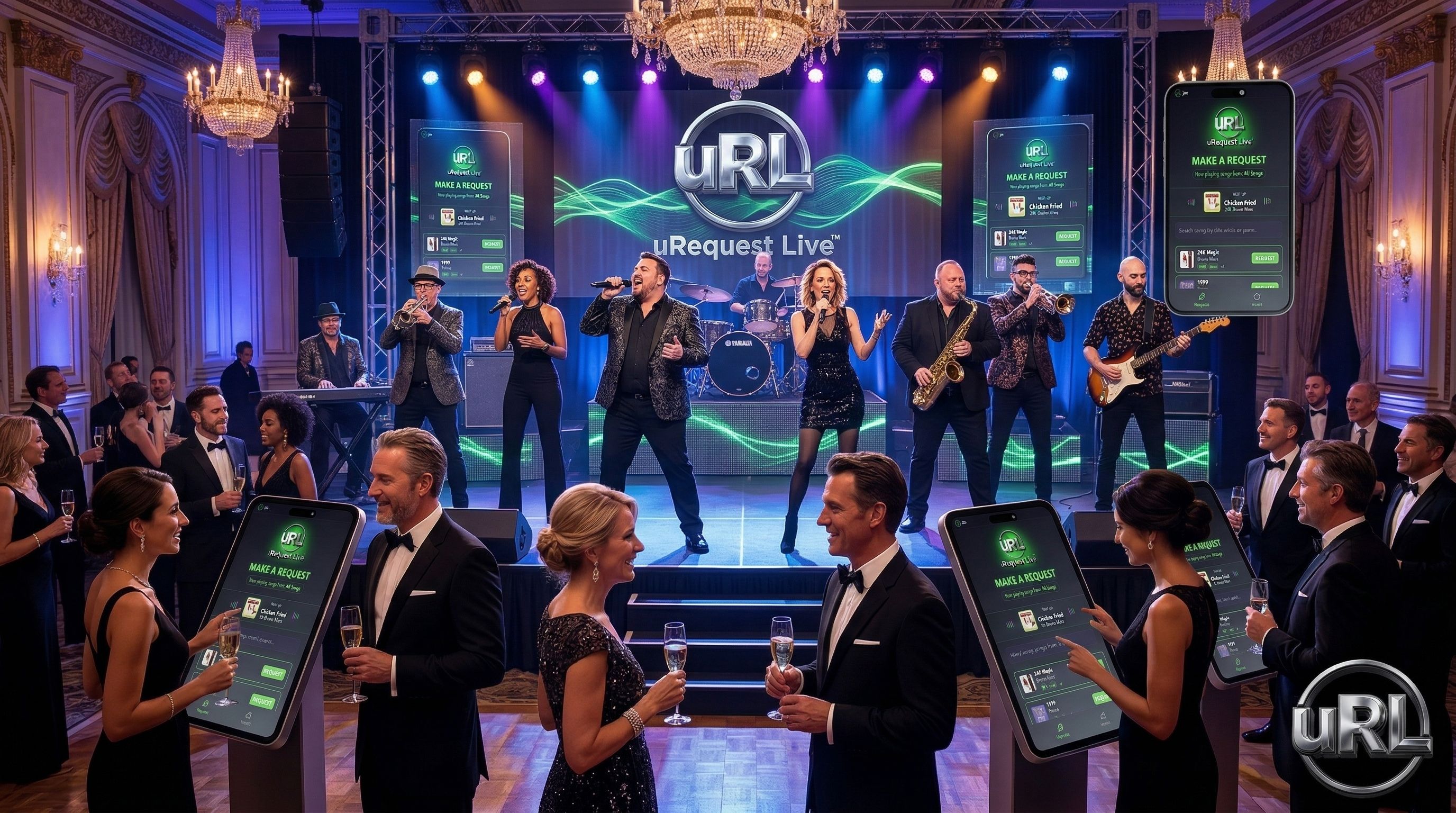
Charity galas have a dual mission that most events don't: entertain the guests and raise money. These goals aren't in conflict — they're symbiotic. The better the entertainment, the more emotionally engaged guests become. The more emotionally engaged they are, the more they give. But only if the entertainment is strategically designed to create the right emotional moments at the right times.
I've played hundreds of charity galas, and the difference between events that raise $50,000 and events that raise $500,000 often comes down to one thing: emotional architecture. Not the size of the guest list or the price of the wine — the deliberate construction of emotional peaks that precede every giving opportunity.
The Emotional Architecture of a Fundraising Event
Every successful gala follows a pattern. The specifics vary, but the emotional arc is remarkably consistent:
Phase 1: Elevation (Arrival - 90 minutes)
Guests arrive and the environment communicates: "This is special." Elegant music — a jazz quartet, string ensemble, or solo pianist — creates an atmosphere of sophistication and significance. The emotional message is, "You're part of something important tonight."
This isn't the time for dance hits. The music should invite conversation and connection while maintaining a sense of occasion. Volume should be low enough for comfortable networking but present enough that the room never feels empty.
Phase 2: Connection (Dinner - 60 minutes)
During dinner, the music softens further. This is when the organization typically shares its story — mission videos, beneficiary testimonials, impact reports. The music should complement these moments without competing with them. A skilled live musician can underscore an emotional video the way a film score enhances a movie scene.
Phase 3: The Ask (Live Auction / Fund-a-Need - 30 minutes)
This is the high-stakes moment, and music plays a critical role. Before the formal ask, a brief, emotionally resonant musical performance can elevate the room's emotional state. A solo vocal performance of a meaningful song, a carefully chosen acoustic piece — something that creates the reflective, generous mindset that precedes giving.
During the actual auction or fund-a-need appeal, the band should be silent. The auctioneer or emcee needs complete acoustic control. But the instant the giving portion concludes — the second the last paddle goes down — the band should explode into a celebratory anthem. This musical punctuation transforms the act of giving into a moment of collective triumph.
Phase 4: Celebration (Post-Auction - 90+ minutes)
Now the party begins. Guests who just contributed significantly to a cause they believe in are riding an emotional high. Channel that energy into a celebration that validates their generosity. This is where an interactive band with song requests excels — the democratic, participatory energy mirrors the communal spirit of charitable giving.
Music Strategies That Increase Donations
The Pre-Appeal Performance
The single most impactful musical moment at a charity gala is what happens immediately before the live auction or fund-a-need. A two-minute acoustic performance of a song connected to the cause — or simply a beautiful, emotionally resonant piece — can increase giving by 15-25%. Neuroscience explains why: emotional music triggers the release of oxytocin, the hormone associated with empathy and generosity.
The Celebration Crescendo
When the final donation total is announced, the band should be ready with the most energetic song of the night. The announcement of "$2.3 million raised tonight!" followed immediately by the band launching into "Celebration" or "Don't Stop Believin'" creates an emotional peak that guests will associate with their generosity for years.
Charity gala music timeline:
- 6:00 PM — Jazz/strings during cocktail reception (elegant, conversational)
- 7:00 PM — Ambient music during dinner (soft, unobtrusive)
- 7:45 PM — Music pauses for program, mission video, testimonials
- 8:15 PM — Brief emotional musical performance (solo vocal or acoustic)
- 8:20 PM — Live auction / fund-a-need (music OFF)
- 8:50 PM — Total announced — BAND EXPLODES into celebration
- 9:00 PM — Full band performance with interactive song requests
- 11:00 PM — Final song and close
Working with Your Auctioneer
Professional auctioneers understand the power of music. Coordinate closely between your band leader and your auctioneer to create seamless transitions. The auctioneer should know exactly when the band will stop and start. The band should know the auctioneer's cues. Rehearse these transitions during soundcheck.
Some auctioneers actually use background music during their appeals — very soft, building tension. If your auctioneer prefers this approach, work with the band to create subtle musical tension that builds as bid amounts climb. This is advanced but incredibly effective when executed well.
The ROI of Entertainment at Fundraisers
For nonprofit boards scrutinizing every line item, entertainment can seem like an extravagance. The data says otherwise:
- Galas with live entertainment raise 20-35% more than those with recorded music
- Donor retention (returning the following year) is 40% higher at events rated "excellent" — and entertainment is the top predictor of that rating
- Table sales increase by 15-20% when entertainment quality is featured in the event marketing
- Post-event spontaneous donations (gifts made after the event ends) are 3x more common after events with strong entertainment
The entertainment doesn't cost the nonprofit money — it makes the nonprofit money. A $10,000 band at a gala that raises $200,000 instead of $150,000 has a 5x return on investment.
Special Considerations for Nonprofit Events
Charity galas have unique dynamics that commercial events don't:
- Donor sensitivity — Guests know they're at a fundraiser. Excessively lavish production can create the perception that donations are being wasted on the party itself. Choose quality over spectacle.
- Mission alignment — The entertainment should feel consistent with the organization's values. A children's hospital gala might benefit from a family-friendly set; an arts organization gala can be more adventurous.
- Volunteer recognition — Many galas include recognition of volunteers and staff. The band should be prepared for these moments with appropriate musical support.
- Auction item experiences — Some galas auction "sing with the band" or "be the DJ for a song" experiences. If your entertainment can offer this, it's a creative way to generate additional funds.
Planning a Charity Gala?
Entertainment that drives both enjoyment and donations. Let's make your fundraiser unforgettable.
Get in TouchFrequently Asked Questions
Does music really affect how much people donate?
Yes. Research shows emotionally elevated states increase charitable giving by 25-40%. Live music is one of the most reliable ways to create emotional elevation.
What music works best before a fundraising appeal?
Emotionally resonant, slightly slower-tempo music works best immediately before an appeal. The goal is to create a reflective, emotionally open state.
Should the band stop during the auction?
For live auctions, yes. The auctioneer needs full acoustic control. After the auction concludes, the band should immediately celebrate.
How much should entertainment cost for a charity gala?
10-15% of the total budget. Galas with quality entertainment raise 20-35% more, making the entertainment effectively self-funding.