
How to Create an Unforgettable Award Ceremony
Transform your corporate award ceremony from a predictable speech marathon into an event people actually want to attend. Practical tips on pacing, music, and emotional design.
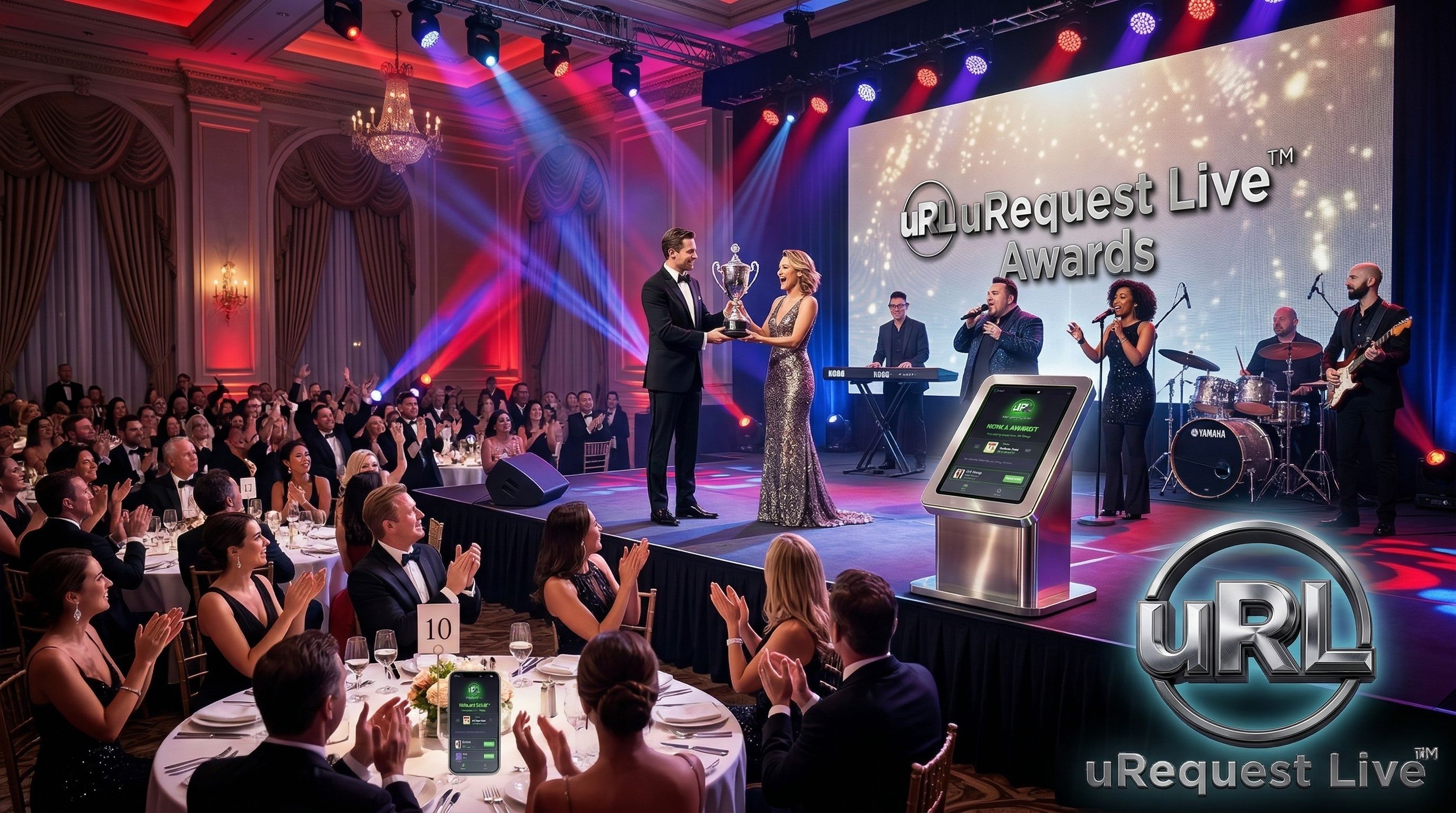
We've all endured the painful award ceremony. Two hours of speeches. A projector clicking through slides of headshots. Polite applause that gets thinner with each successive award. By award number fifteen, half the room is checking email under the table.
It doesn't have to be this way. Award ceremonies are supposed to be celebrations — moments where exceptional people are recognized and the whole organization feels the collective pride of their achievements. When done right, they're among the most powerful culture-building events a company can host. When done wrong, they're an expensive reminder of everything tedious about corporate life.
The Three Fatal Mistakes
1. Too Many Awards, Not Enough Celebration
When every department gets an award, no one's award feels special. The most impactful ceremonies limit themselves to 8-12 awards maximum. If your organization genuinely needs to recognize 30+ people, create tiers — a printed program or video montage for broader recognition, and stage time reserved for the top honors.
2. No Emotional Arc
Reading a list of accomplishments is information delivery, not recognition. Great ceremonies tell stories. Why did this person win? What obstacle did they overcome? How did their work impact others? A 60-second story about a winner is infinitely more powerful than a 30-second reading of their resume.
3. Treating Entertainment as Optional
The difference between a ceremony people endure and a ceremony people enjoy is almost always entertainment. Walk-up music for winners, live performance between award blocks, and a post-ceremony celebration transform the energy of the entire evening. Cutting entertainment from the budget is a false economy.
Designing the Emotional Arc
Think of your award ceremony as a story with three acts:
Act 1: The Arrival (45-60 minutes)
Cocktails, networking, and anticipation-building. This is where live ambient music sets the tone. A jazz trio or acoustic ensemble communicates "this is a special evening" from the moment guests walk in. The music should be sophisticated and conversational — guests need to socialize and speculate about the winners.
Act 2: The Recognition (30-45 minutes)
The formal awards program. Structure this in blocks of 3-4 awards with entertainment breaks between blocks. Each winner should have:
- A brief video or spoken introduction telling their story (60 seconds)
- Walk-up music as they approach the stage (their choice, if possible)
- A maximum of 2 minutes for acceptance remarks
- A musical sting or applause cue as they exit the stage
Between each block, the live band plays one song. This gives the audience a palate cleanser and maintains energy. The entire awards segment should feel like a well-paced show, not a meeting with trophies.
Act 3: The Celebration (90-120 minutes)
This is where the evening comes alive. The formal portion is over, the winners are glowing, and the entire room is ready to celebrate. A live band with interactive song request technology is the ideal format here — it channels the collective pride and energy of the ceremony into a party where everyone participates.
Music as a Ceremony Tool
Music isn't decoration at an award ceremony — it's infrastructure. Here's how to use it strategically:
Walk-Up Music
Every winner deserves a moment. Their walk-up music — the 15-20 seconds between their name being announced and reaching the stage — is that moment. Pre-select songs for each winner (ask them in advance, or choose something that fits their personality). A live band playing even a short excerpt creates an infinitely more impactful moment than a recorded track.
Transition Music
Dead air between awards kills momentum. A live band can fill transitions instantly and organically, adjusting energy levels to match the flow of the ceremony. They can play softly during video packages, build energy for a major award, or provide comic relief after a particularly emotional moment.
The Victory Song
Have one signature celebration song that plays at the very end of the ceremony — a full-energy anthem that the entire room can sing along to. "Don't Stop Believin'," "Celebration," or whatever feels right for your company culture. This becomes the emotional capstone that people remember.
Award ceremony pacing guide:
- 6:00 PM — Cocktails + ambient live music
- 7:00 PM — Dinner seating (background music continues)
- 7:45 PM — Welcome remarks + opening band number
- 8:00 PM — Awards Block 1 (3-4 awards)
- 8:20 PM — Band performs one song
- 8:25 PM — Awards Block 2 (3-4 awards)
- 8:45 PM — Band performs one song
- 8:50 PM — Final "big" awards + victory song
- 9:00 PM — Transition to celebration — band takes over
- 11:00 PM — Final song and close
Production Value Without the Hollywood Budget
You don't need a $100,000 production budget to create a memorable ceremony. You need three things: good lighting, good sound, and good pacing.
Lighting: A simple spotlight on the podium and colored wash on the stage creates more drama than a dozen LED screens. Work with your venue's existing lighting and add a few up-lights in your brand colors.
Sound: Invest in clear, professional audio. Nothing undermines a recognition moment like muffled speech or feedback. If you have a live band, their sound engineer can typically handle the ceremony audio as well.
Pacing: Keep it tight. Every minute of dead air during the ceremony subtracts from the celebration afterward. Rehearse transitions. Use a stage manager or emcee who keeps things moving.
Making Winners Feel Like Stars
The entire point of an award ceremony is to make exceptional people feel recognized. Every design decision should serve this goal. The walk-up music, the spotlight, the personalized introduction, the applause — these moments matter far more to the winner than the trophy itself.
Talk to the winners beforehand. Ask what song they'd want to walk up to. Find out what they're proud of beyond the professional achievement. When the emcee mentions that Sarah from operations not only crushed her targets but also ran her first marathon this year, the applause is different. It's personal.
Create an Award Ceremony Worth Remembering
Live music transforms ceremonies from obligatory to unforgettable.
Plan Your CeremonyFrequently Asked Questions
How long should a corporate award ceremony last?
The awards portion should last 30-45 minutes maximum. Beyond that, audience attention drops sharply. The total event can be 3-4 hours, but the formal ceremony should be only a portion of that.
What music should be played during award presentations?
Use walk-up music for winners, ambient background during speeches, and celebratory transitions between awards. A live band adds dramatically more impact than recorded tracks.
How do you keep audiences engaged during a long awards program?
Break the program into blocks of 3-4 awards, separated by entertainment, video packages, or interactive segments. Keep speeches under 2 minutes. The audience should never sit through more than 15 minutes of continuous awards without a break.
Should award ceremonies have entertainment after the awards?
Absolutely. The post-awards celebration is where the real magic happens. Winners are on a high, the audience is ready to celebrate, and a live band transforms the pride of the ceremony into a party.