
How to Entertain International Guests at Corporate Events
Navigating cultural differences, music preferences, and dietary considerations when your corporate event includes international attendees. A practical guide for inclusive entertainment.
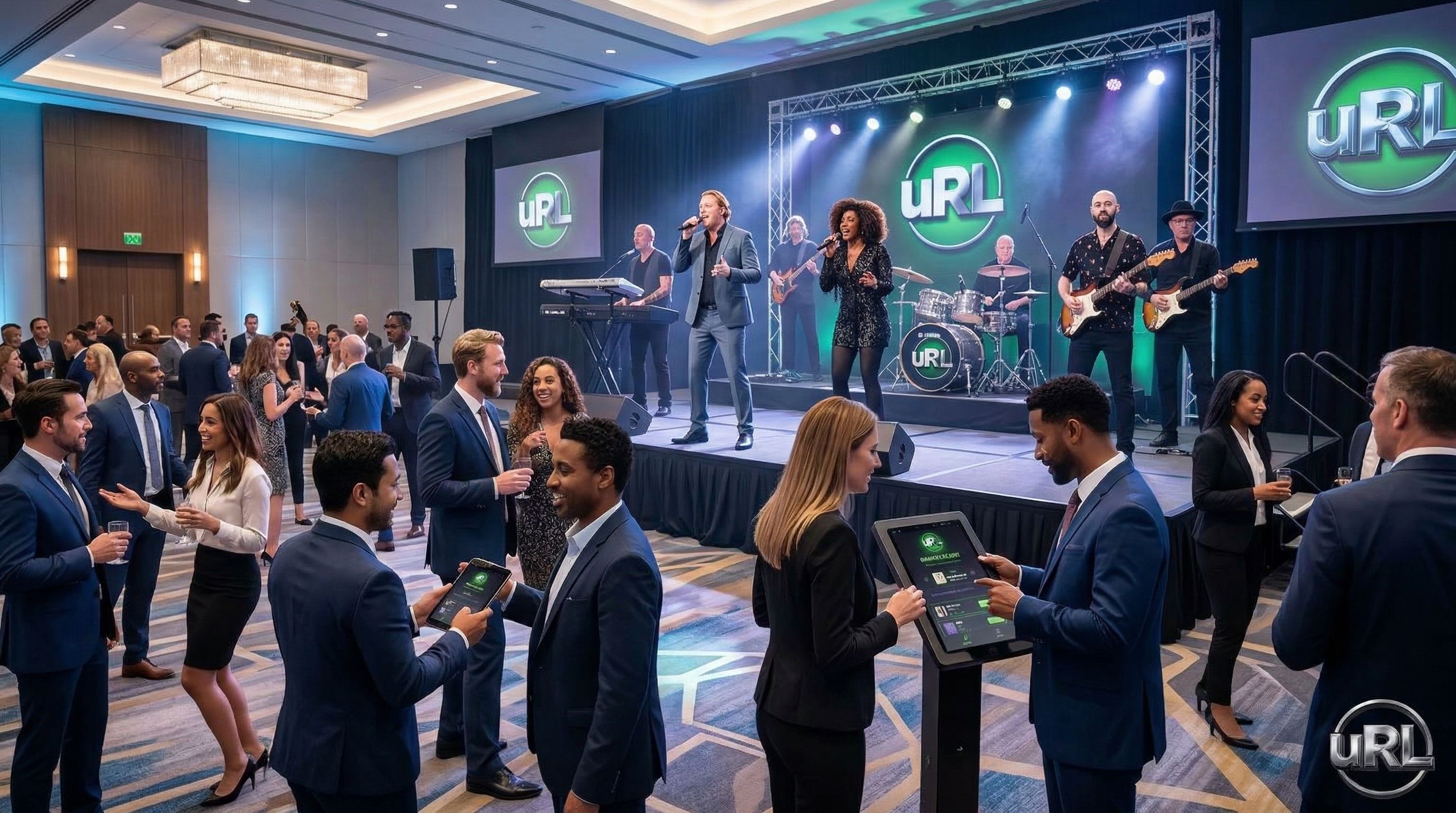
Your global sales conference has 300 attendees from 14 countries. The evening gala is supposed to be the highlight — the moment when the international team bonds over shared celebration. But what does "celebration" look like when your audience includes delegates from Tokyo, Dubai, Lagos, and Buenos Aires?
This is a challenge that event planners face with increasing frequency as companies globalize. The default approach — playing safe with generic pop music and hoping for the best — is adequate. But adequate isn't memorable. The companies that nail international entertainment create events that attendees talk about across continents.
Music Is the Universal Language (With Dialects)
The phrase "music is the universal language" is both true and misleading. Music is universal — every culture has it, every human responds to it. But musical preferences, dance norms, and social expectations around music vary dramatically across cultures.
In Brazil, live music at a corporate event practically guarantees a packed dance floor within minutes. In Japan, the same scenario might see attendees sitting politely and enjoying the performance from their seats. Neither response is wrong — but if your entertainment plan assumes one and gets the other, the evening feels disconnected.
The Three Dimensions of Cultural Music Preferences
- Participation style — Some cultures are naturally participatory (Latin American, West African, Caribbean). Others are more observational (East Asian, Northern European). Design entertainment that welcomes both styles without privileging either.
- Genre familiarity — Western pop dominates globally, but your Nigerian colleagues have Afrobeat in their veins, your Korean team grew up on K-pop, and your Argentine delegates live for Latin rhythms. Representation matters.
- Volume and social norms — Acceptable volume levels, proximity while dancing, and expectations around alcohol-fueled celebration vary significantly. An event that feels perfectly normal for your North American team might feel overwhelming for your Japanese delegates.
Strategies That Actually Work
Let the Crowd Self-Curate
This is where interactive song request technology becomes particularly powerful for international events. Instead of guessing which cultural groups want which music, let them tell you. A curated library that includes global hits, regional favorites, and cross-cultural anthems gives every attendee the ability to find their music.
What typically happens is fascinating: the setlist naturally reflects the room's composition. When 40 Korean delegates all vote for a BTS track, it gets played — and their excitement is infectious. When the Brazilian contingent rallies behind "Mas Que Nada," the energy shifts and everyone discovers something new. The cultural exchange happens organically.
Build a Globally Curated Library
Work with your entertainment provider to build a song library that spans:
- English-language global hits (Michael Jackson, Queen, Beyonce, Ed Sheeran)
- Latin music (Shakira, Bad Bunny, Luis Fonsi, Daddy Yankee)
- K-pop and J-pop (BTS, BLACKPINK, selected Japanese pop)
- Afrobeat and Afropop (Burna Boy, Wizkid, Tiwa Savage)
- Bollywood hits (for events with South Asian representation)
- European pop and dance classics (ABBA, David Guetta, Stromae)
- Universal dance anthems that transcend language (electronic, instrumental)
Create Multiple Energy Zones
Not everyone processes celebration the same way. Design your venue layout with distinct zones:
- The dance floor — high energy, full volume, close to the band or DJ
- The lounge area — lower volume, comfortable seating, still within sight of the entertainment
- The networking zone — conversational volume, standing tables, food and beverage focused
This isn't about segregating cultures — it's about giving every individual the ability to choose their comfort level. Many attendees will move between zones throughout the evening.
Food, Drink, and Cultural Sensitivity
Entertainment doesn't exist in isolation. The overall event experience — including catering, bar offerings, and social protocols — needs to be culturally considered.
Cultural considerations checklist:
- Non-alcoholic drink options that are genuinely appealing (not just water and juice)
- Halal, kosher, vegetarian, and vegan food options clearly labeled
- Prayer or quiet room availability for attendees who need it
- Entertainment content that avoids culturally insensitive material
- Dress code communication that respects cultural attire preferences
- Photography permissions — some cultures have specific preferences
The Icebreaker Power of International Music
Here's the unexpected benefit of multicultural entertainment: it becomes a conversation starter. When the band plays a Bollywood hit and your American colleague is clearly enjoying it, that's a connection point. When the Japanese delegate who seemed reserved all day lights up during a certain song, their colleagues see a new side of them.
Music from different cultures isn't just representation — it's introduction. It says, "We see you, we value your culture, and we want to share in it." That message resonates far more deeply than any diversity statement in a corporate presentation.
Practical Implementation
Pre-Event Survey
Send attendees a brief survey asking for their top 3-5 favorite songs or artists. This accomplishes three things: it builds anticipation, provides data for the entertainment team, and signals to international guests that their preferences matter.
Briefing Your Entertainment
Share the attendee demographics with your band or DJ. A good corporate entertainment provider will adjust their preparation accordingly — learning key songs from represented cultures, understanding pronunciation of non-English song titles, and preparing transitions between different musical styles.
The Closing Set
End with universals. The final 30 minutes should feature songs that genuinely transcend cultural barriers — high-energy anthems with global recognition. "We Are the Champions," "Uptown Funk," "Happy" — these songs work in every country because the energy is unmistakable regardless of native language.
Planning a Global Corporate Event?
We specialize in entertainment that connects diverse audiences.
Let's TalkFrequently Asked Questions
How do you choose music for a culturally diverse audience?
The key is breadth combined with audience agency. Interactive song request systems let attendees self-select, naturally creating a playlist that reflects the room's actual diversity.
What entertainment formats work best for international corporate events?
Interactive formats outperform passive ones for international groups because they don't require shared cultural knowledge. Song request systems, where everyone can find familiar music, work universally.
Are there songs that work across all cultures?
Certain artists have genuinely global recognition: Michael Jackson, ABBA, Shakira, BTS, Queen. Dance-heavy music transcends language barriers.
How do you handle volume and dancing at multicultural events?
Provide options: a defined dance floor for those who want to dance, conversational areas with lower volume for those who prefer to socialize. Interactive entertainment naturally self-regulates.